
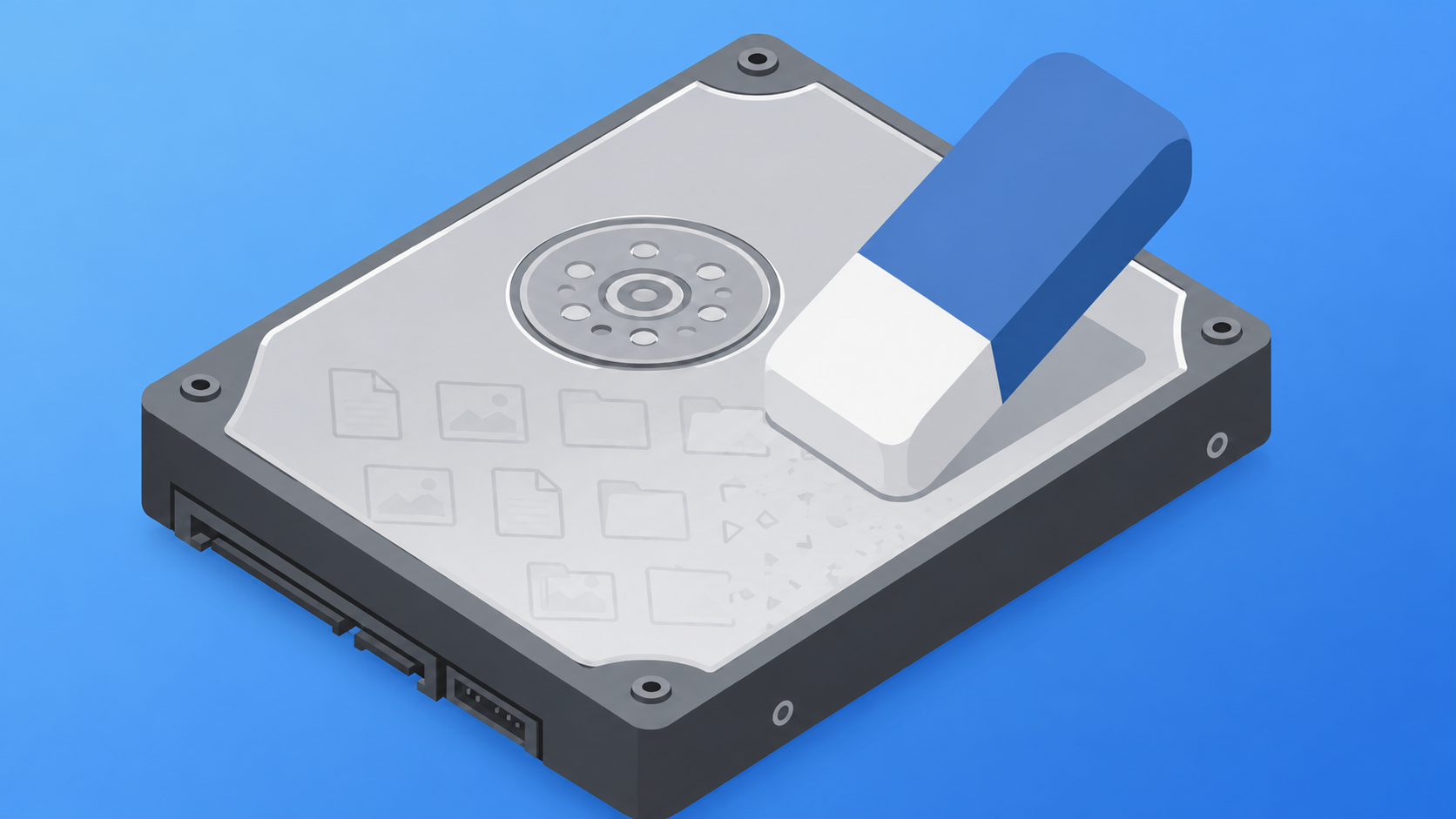
Someone may have told you at some point that you can wipe your computer and start afresh, and it’s good advice in the right situation. Many computers even have a built-in option to kick off the whole process with just a few clicks. But most people who’ve heard this have no real idea what a factory reset actually does to their machine, and that gap between hearing the advice and understanding it can lead to some unpleasant surprises.
There are two very different options
When you factory reset a Windows PC (sometimes called a reformat), you’re given a choice: keep your files, or remove everything. It sounds straightforward, but the “keep my files” option trips a lot of people up. It doesn’t mean your computer stays as it is with a light tidy-up.
What it actually does is preserve the files stored under your user account: your Desktop, your Documents folder, and your Downloads. If your files live there, they’ll still be there afterward, but anything stored outside those locations won’t be, and this is where people get stung. Accounting software that keeps its database in a separate folder on the C drive, programs that store data in their own directories, and files saved in locations you never thought to check, all of it goes, along with your apps and settings, so any software you’ve installed over the years will need to be reinstalled from scratch.
The problem is that most people don’t realize any of this until after the reset is done, because “keep my files” sounds like it means exactly what it says. By the time you notice something’s missing, there’s nothing to recover.
“Remove everything” does exactly what it says, returning the computer to the state it was in when it left the factory.
When a factory reset actually makes sense
A factory reset works well for software problems: a machine that’s become sluggish from years of accumulated junk, a computer that’s picked up malware that’s proven difficult to clear, or settings that have gotten so corrupted that normal troubleshooting isn’t cutting it. It’s also the right move when you’re passing a computer on to someone else and want to make sure none of your personal data goes with it.
In these situations, a factory reset is a legitimate fix, and it often does the job.
What a factory reset won’t touch
Here’s where a lot of people get caught out. A factory reset is a software process, so it has no effect on hardware problems. If your computer is slow because the hard drive is failing, a factory reset won’t change that; it may even make things worse, because reinstalling Windows puts extra strain on a drive that’s already struggling. The same goes for overheating or unusual noises from inside the machine, as these point to physical problems that wiping the software layer won’t address at all.
A computer that was slow before a factory reset will be just as slow afterward if the underlying cause is hardware.
A factory reset is not the clean slate people assume it is
There's a widespread belief that a factory reset scrubs a computer clean, so if it's picked up something nasty, wiping it makes the problem vanish. Usually it does. But not always, and the exceptions are the ones that matter.
If you choose "keep my files," you may be keeping the problem too. Malware doesn't only live in the parts of the system a reset replaces. An infected file sitting quietly in your Documents folder survives the reset untouched and can put the machine right back where it started the moment you open it. And a small number of threats burrow in deeper than a standard reset reaches, so they're still there when Windows comes back up, none the wiser.
The other trap runs in the opposite direction. When you're handing a computer on to someone else, "remove everything" feels like it erases your data for good. It doesn't. A standard reset clears the path to your files without truly scrubbing them off the drive, and the right recovery tools can pull a lot of it back. For an old family photo that's a minor annoyance. For client records, financial files, or saved passwords, it's a data exposure you've handed to a stranger, and you'd never know it happened.
There's a third gap that catches almost everyone, and it opens the moment the reset finishes. Remember that a reset removes your apps, and your security software is an app. Your antivirus, and any protection layer watching the machine for threats, is wiped along with everything else. The computer comes back up in the same defenseless state it was in the day it left the factory, and the first thing most people do is go straight online to download drivers, sign into accounts, and reinstall their programs. That's the worst possible moment to be unprotected, doing exactly the risky things, on a machine with nothing standing guard. The window may only last until you get everything reinstalled, but a machine can be compromised in minutes, and reinstalling security software is the step people most often forget or put off.
So a reset done for the wrong reason, or done without understanding what it does and doesn't clear, can leave you less secure than before, whether that's carrying an infection forward, leaking data you thought was gone, or sitting exposed with no protection while you put the machine back together.
Before you factory reset, back up your files
“Keep my files” is not a backup, and as the section above shows, it doesn’t even keep all of your files. Most people grab the obvious folders, miss the ones they didn’t know to look for, and discover the gap only afterward. If you use any specialist software, its data is often stored somewhere you’d never think to check, and once the reset is done, that data is gone.
Getting the backup right before a factory reset is actually one of the trickier parts of the whole process, and it's worth having someone do it properly rather than finding out later that something important didn't make it across. We can take care of that for you before anything gets wiped.
Here's the thing most people miss. A factory reset feels like a fresh start, but it only fixes software problems. If the hardware is failing, a reset changes nothing. And "keep my files" does not mean what it sounds like, anything outside your Desktop, Documents, and Downloads is gone for good.
The old way: reset first, hope for the best, discover the damage later.
The new way: find out what's actually broken, back up everything, then wipe.
So before you touch that reset button, do one thing. Take five minutes and list every program you rely on, especially accounting or specialist software. If you don't know where its data lives, that's your red flag. Stop there.
That's exactly where Borked PC comes in. We diagnose the real problem, protect every file, and handle the reset from start to finish, so nothing important gets left behind.
👉 New to Borked PC? Start by filling out our quick Right Fit Questionnaire to see if Borked PC could be the right IT and Cybersecurity Partner for you.
📞 Or schedule a free 15-minute call at a time that works for you: Book a call
Prefer to talk now? Give us a call at (610) 599-6195.