
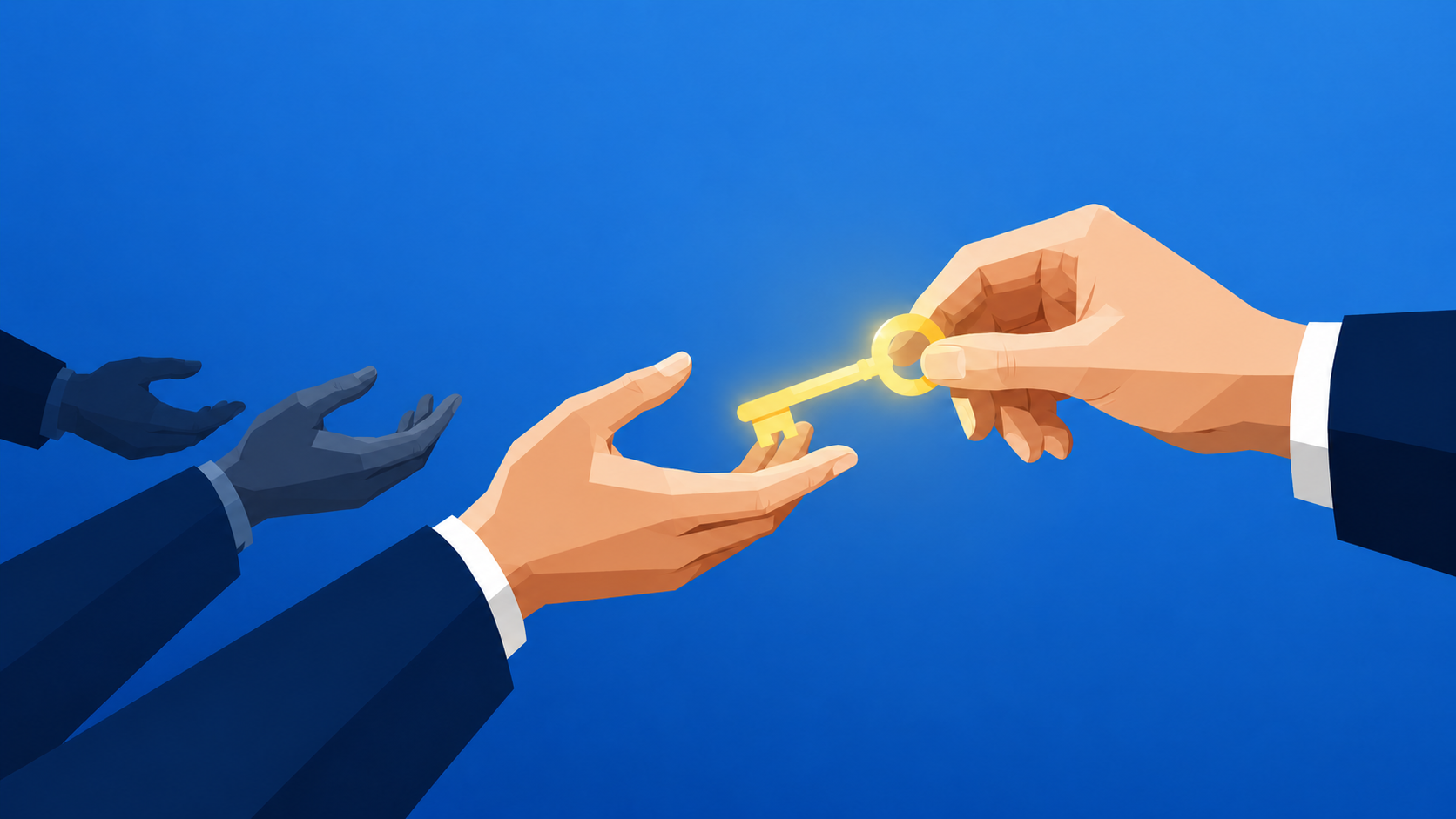
Most businesses treat a phishing attack as a single bad moment. Someone clicked a link, entered their details, and realised the mistake. Passwords get changed, maybe an email goes around warning staff, and the business moves on. What most people do not know is that the attack is just the beginning of a much longer process.
Your Data Enters a Pipeline
The moment someone submits their details on a phishing page, that information is transmitted to the attacker, often within seconds. From there, it gets bundled with data from other victims and sold in bulk on dark-web forums.
These bulk archives are relatively cheap because they're raw and unverified. A buyer can't know which entries are still active, which passwords have been changed, or which accounts have value. So a second group enters the picture: analysts who sort and verify the data.
Sorting, Verification, and Resale
These buyers test credentials against live services to confirm they still work. They check whether the same password is reused across other accounts, and they cross-reference entries with data from older breaches to build a fuller picture of each individual. What comes out the other end is a verified dataset worth significantly more than what was paid for it, and it gets resold at a higher price.
Account access is priced by value. Access to bank accounts and cryptocurrency platforms commands the highest prices; social media accounts and messaging apps are cheaper but still traded in volume because they're useful for launching further attacks against the victim's contacts.
The Follow-Up Attack
Once a cybercriminal purchases a verified profile, the original phishing incident is almost beside the point. The attacker now knows who the victim is, where they work, which services they use, and potentially has access to their accounts. That information gets used to craft targeted attacks: a convincing email impersonating a senior staff member, a message to a client pretending to be the victim, or an extortion attempt using compromising material pulled from a hacked account.
This is the part most business owners never connect back to the original click. A staff member's credentials stolen in a phishing attack this month can be the starting point for a business email compromise attempt six months from now.
What to Do if Your Business Has Been Affected
The window for action is short, but the actions themselves are straightforward. Any staff member who entered credentials on a suspicious site should change that password immediately, across every service where it's reused. If payment details were entered, the relevant cards need to be cancelled, not just monitored. Two-factor authentication should be enabled on any account that supports it, using an authenticator app rather than SMS where possible.
A stolen password is bad. An old password nobody ever changed is worse.
Here's what most people get wrong. They think the danger is the phishing email. The real danger is everything that email unlocks, from bank logins to old accounts nobody remembers still exist.
The old way is to change one password and move on.
The new way is to check every account that shares it, because attackers already know it's reused.
The fix takes five minutes. Pick one account.
Check if the password is used anywhere else. If it is, change it now.
Then ask a bigger question. Who still has access they don't actually need anymore?
That answer is usually more surprising than the phishing email ever was.
👉 New to Borked PC? Start by filling out our quick Right Fit Questionnaire to see if Borked PC could be the right IT and Cybersecurity Partner for you.
📞 Or schedule a free 15-minute call at a time that works for you: Book a call
Prefer to talk now? Give us a call at (610) 599-6195.